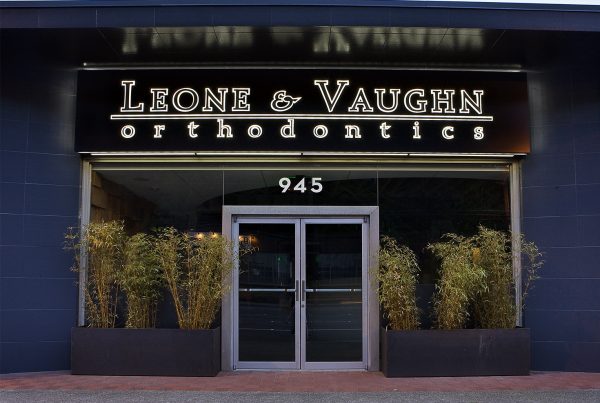

Seattle isn’t one city. it’s a collection of distinct neighborhoods, each with its own identity, customer base, and commercial energy. From the tech-driven corridors of South Lake Union to the indie boutiques of Capitol Hill and the corporate polish of Bellevue’s downtown core, the businesses that succeed in each area understand something fundamental: your signage has to speak the language of your neighborhood.
At National Sign Corporation, we’ve worked with businesses across the greater Seattle metro, and we’ve seen firsthand how the right signage strategy changes depending on where you’re doing business. Here’s a look at how Seattle’s top retail and commercial districts use signage, and what your business can learn from them.
South Lake Union: Bold, Modern, and Brand-Forward
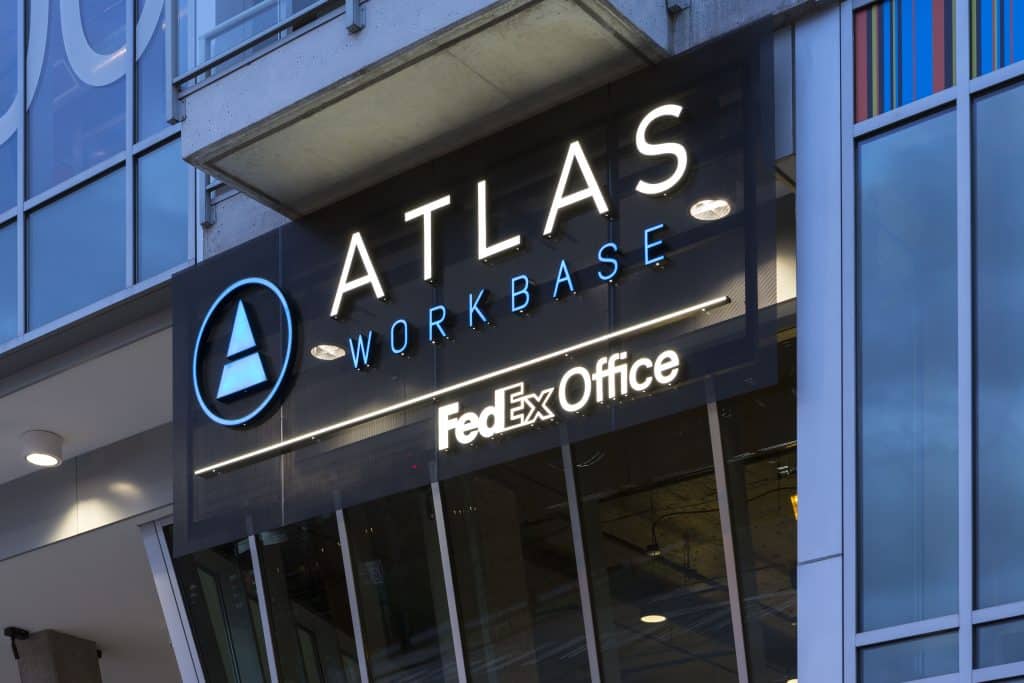
South Lake Union has transformed over the past decade into Seattle’s tech and biotech hub, anchored by Amazon’s sprawling campus and flanked by a growing number of restaurants, fitness studios, and boutique retailers catering to a high-income, design-conscious workforce.
Businesses in SLU tend to favor clean, architectural signage that aligns with the neighborhood’s modern aesthetic. Think halo-lit channel letters, brushed metal dimensional signs, and minimalist monument signs that complement glass-and-steel building facades. Clutter is the enemy here. Signage that communicates a single, strong brand statement performs far better than anything busy or overly decorative.
Key signage types that work in SLU:
- Halo-illuminated (reverse-lit) channel letters
- Dimensional metal lobby and building ID signs
- Floor-to-ceiling interior wayfinding systems for multi-tenant buildings
- Window graphics with frosted or cut-vinyl treatments
Capitol Hill: Creative, Expressive, and Community-Rooted
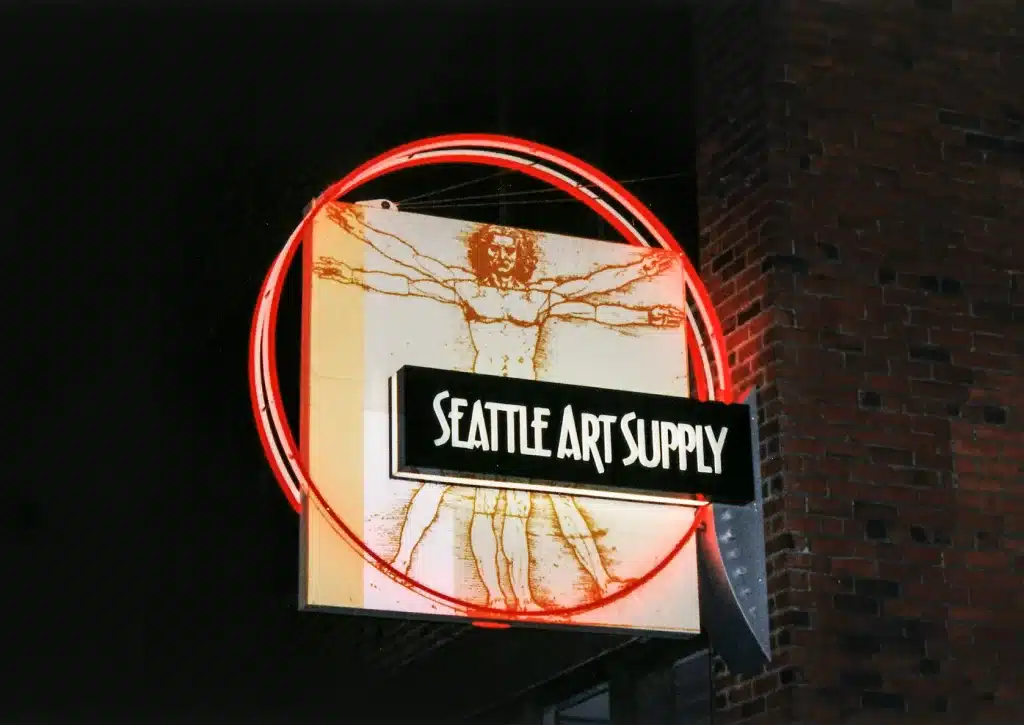
Capitol Hill is one of Seattle’s most eclectic neighborhoods. A dense concentration of restaurants, bars, independent retail, and creative businesses that draws a loyal local clientele. This is a district where character counts, and where signage that feels too corporate can actually work against you.
Businesses on the Hill tend to embrace hand-crafted aesthetics, bold color, and signage that tells a story. Neon (and LED neon alternatives) is wildly popular here. It photographs well, creates ambiance, and signals that a space has personality. Projecting blade signs are another staple, making businesses visible to foot traffic from both directions on busy stretches like Pike/Pine and Broadway.
Key signage types that work on Capitol Hill:
- LED, neon, and flex-neon custom signs
- Projecting blade signs for pedestrian visibility
- Hand-painted or hand-lettered style dimensional signs
- Chalk boards and A-frame sidewalk signs (with a quality base)
- Bold window vinyl and mural-style graphics
Downtown Seattle & Pike Place Area: High Volume, High Stakes
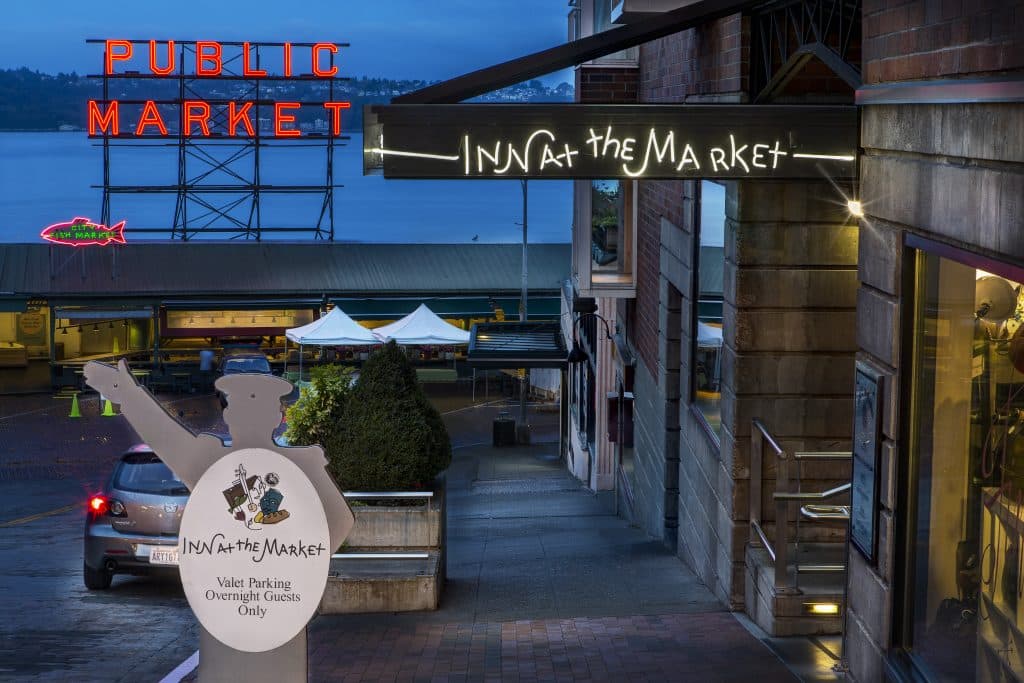
Downtown Seattle is a different animal. High foot traffic, significant tourist volume, and intense competition for visual attention. Businesses here often compete not just with neighboring storefronts but with the sheer visual noise of a dense urban environment.
Signage in this zone needs to work hard from a distance. Illuminated signs that perform well in Seattle’s overcast daylight hours, high-contrast color palettes, and clear hierarchy (logo, category, call to action) are all critical. Seattle’s city planners have also been exploring expanded upper-level signage allowances downtown, making this an interesting moment for larger-format building identity signage.
Key signage types that work downtown:
- Illuminated storefront signs with strong contrast
- Awning signs with integrated branding
- Building directory and tenant ID panels
- Monument signs where setback allows
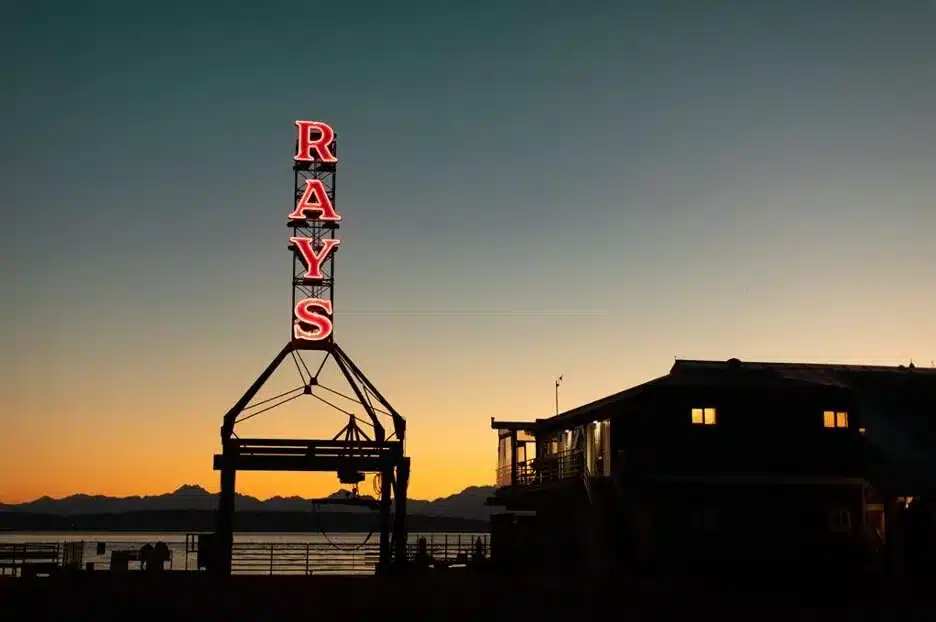
Ballard: Where Industrial Meets Neighborhood Charm
Ballard has evolved from a working-class Scandinavian fishing community into one of Seattle’s most sought-after neighborhoods for independent dining and retail. Its commercial core on Ballard Avenue NW has a distinct historic character. Exposed brick, older storefronts, low-slung buildings; that rewards signage that complements rather than overwhelms the streetscape.
Businesses in Ballard often do well with dimensional wood or metal signs, heritage-style typography, and warm-toned illumination. The neighborhood also has a strong sustainability ethic, and signage made from recycled or responsibly sourced materials can be a genuine brand asset here.
Key signage types that work in Ballard:
- Routed or carved wood dimensional signs
- Bronze or weathered metal lettering
- Warm-white LED illuminated cabinet signs
- Historic-style projecting signs with ornamental brackets
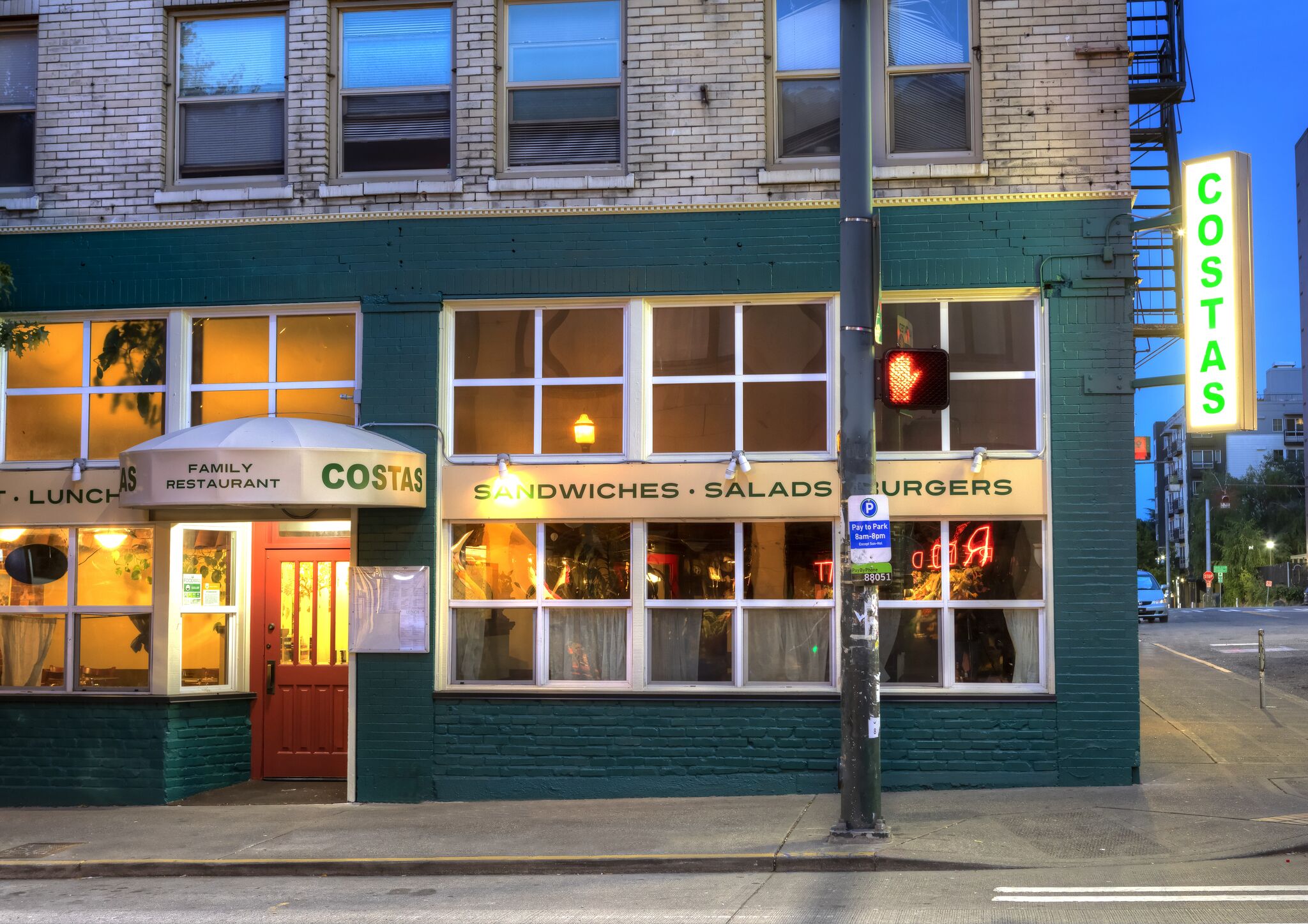
The University District: High Visibility, Value-Conscious, and Always Evolving
The U District is one of Seattle’s most foot-traffic-dense corridors, anchored by the University of Washington’s 50,000-student campus and a commercial strip along The Ave (University Way NE) that serves everyone from students and faculty to longtime neighborhood residents. The opening of the U District light rail station has accelerated development significantly, bringing new mixed-use buildings and businesses into an area that’s rapidly maturing beyond its college-town roots.
Signage here has to work for a uniquely diverse audience. Budget-conscious students who respond to energy and personality, professionals who’ve moved into new apartments along the station corridor, and the University itself, which maintains some of the most rigorous wayfinding and identity signage standards of any institution in the region. For retail and restaurant businesses on The Ave and surrounding streets, bold color, legibility from a distance, and clear value communication are key. For businesses in the newer mixed-use developments near the light rail station, a cleaner, more architectural approach is increasingly appropriate
Key signage types that work in the U District:
- High-contrast illuminated signs visible from the street and the station
- Projecting blade signs for Ave foot traffic
- Window graphics and promotional vinyl for specials and seasonal offers
- Monument and tenant ID signs for newer mixed-use buildings
- Wayfinding and directory systems for multi-tenant properties near the light rail station
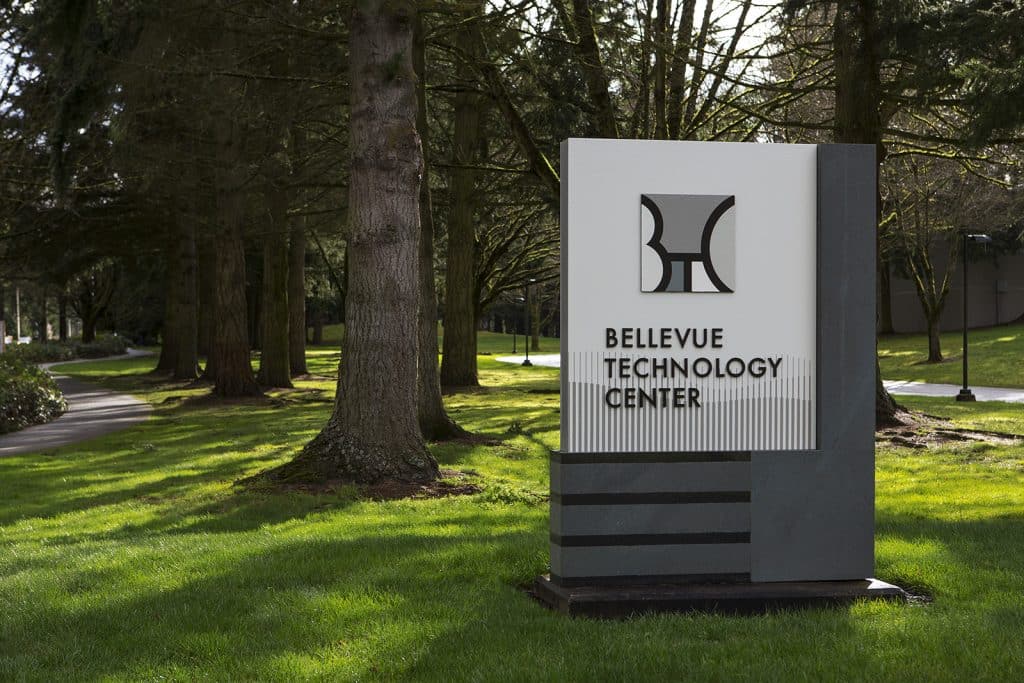
Bellevue & the Eastside: Corporate Polish with Regional Scale
Bellevue, Redmond, and Kirkland have become a major commercial market in their own right. Distinct from Seattle proper and increasingly competitive. The Eastside is home to Microsoft’s global headquarters, dozens of enterprise tech companies, and a growing retail and hospitality scene that caters to a highly educated, affluent population.
Signage on the Eastside tends toward the professional and premium. Businesses competing for attention in Bellevue’s downtown retail core or along the Spring District need signage systems, not just a single sign. That maintain consistency across a building exterior, parking structure, lobby, and suite entry. Monument signs are standard for most commercial properties, and wayfinding is especially important given the scale of many Eastside campuses and mixed-use developments.
Key signage types that work on the Eastside:
- Full signage programs (exterior, monument, wayfinding, interior)
- Illuminated monument signs with tenant panels
- Architectural dimensional logos in lobby environments
- ADA-compliant interior room and suite ID signage
- Parking and wayfinding signage systems
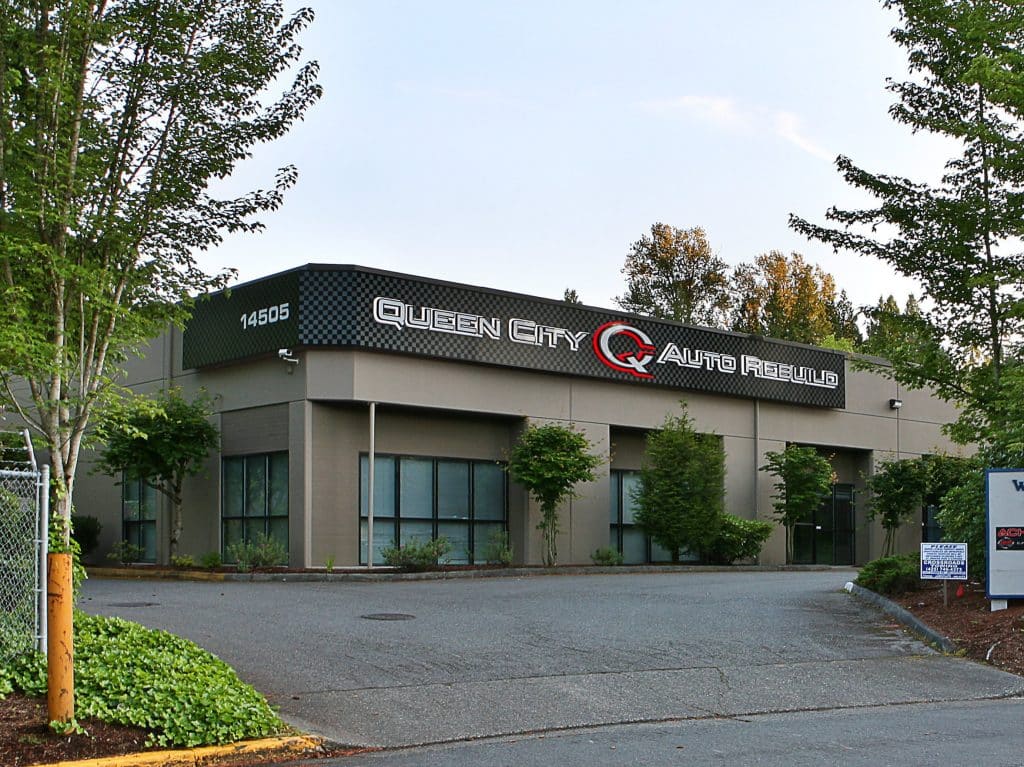
West Seattle & Columbia City: Community-First, Locally Loved
West Seattle’s Junction and Columbia City along Rainier Avenue represent Seattle’s neighborhood retail at its most community-rooted. These are areas where community loyalty runs deep and local businesses earn customers for life.
Signage here doesn’t need to be flashy. It needs to be authentic. Businesses that invest in quality, well-crafted signs (rather than budget vinyl) signal permanence and care. Window graphics that celebrate local identity, seasonal banners, and well-maintained exterior signs all communicate that a business is here to stay.
Key signage types that work in West Seattle & Columbia City:
- Custom-designed storefront signs (avoid generic templates)
- Seasonal and promotional banners
- High-quality window graphics
- Simple, well-lit cabinet or channel letter signs
The Common Thread: Quality and Intentionality
Across every Seattle neighborhood, the businesses with the strongest visual presence share two things: they invested in quality materials and fabrication, and they thought carefully about how their signage fits their specific location, customer, and brand.
A sign isn’t just a marker that tells people where you are. In a competitive market like Seattle’s, it’s the first impression you make on every person who walks or drives past. Whether they’re a first-time visitor or a long-time local. That impression compounds over time into recognition, trust, and ultimately, revenue.
At National Sign Corporation, we’ve been helping Seattle-area businesses get that impression right for years. Whether you’re opening a new location, rebranding an existing one, or simply ready to upgrade signage that’s no longer doing your business justice, we’d love to talk.