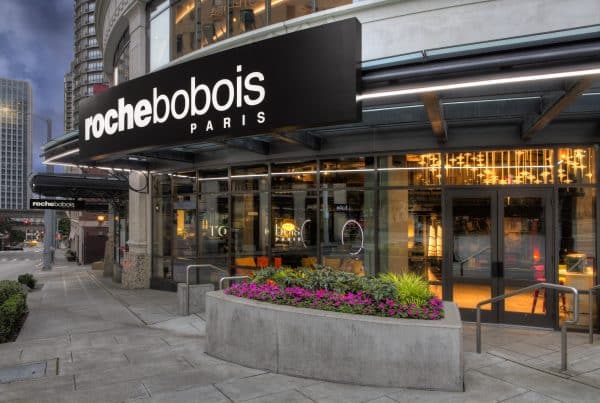

In a city like Seattle, foot traffic isn’t the problem, conversion is.
Between dense neighborhoods, a strong small business culture, and year-round tourism, there are thousands of potential customers walking past your storefront every week. The real question is: what makes them stop, look, and walk in?
More often than not, the answer is your signage.
Foot Traffic Is Intent, Your Sign Decides the Outcome
People walking through areas like Ballard, Capitol Hill, or Fremont are already in a browsing mindset. They’re open to discovering something new, but they’re also moving quickly and making snap decisions.
Your sign has about 3 to 5 seconds to do three things:
- Communicate what you offer
- Convey your brand personality
- Give someone a reason to care right now
If it misses even one of those, you’re losing potential customers who were already right outside your door.
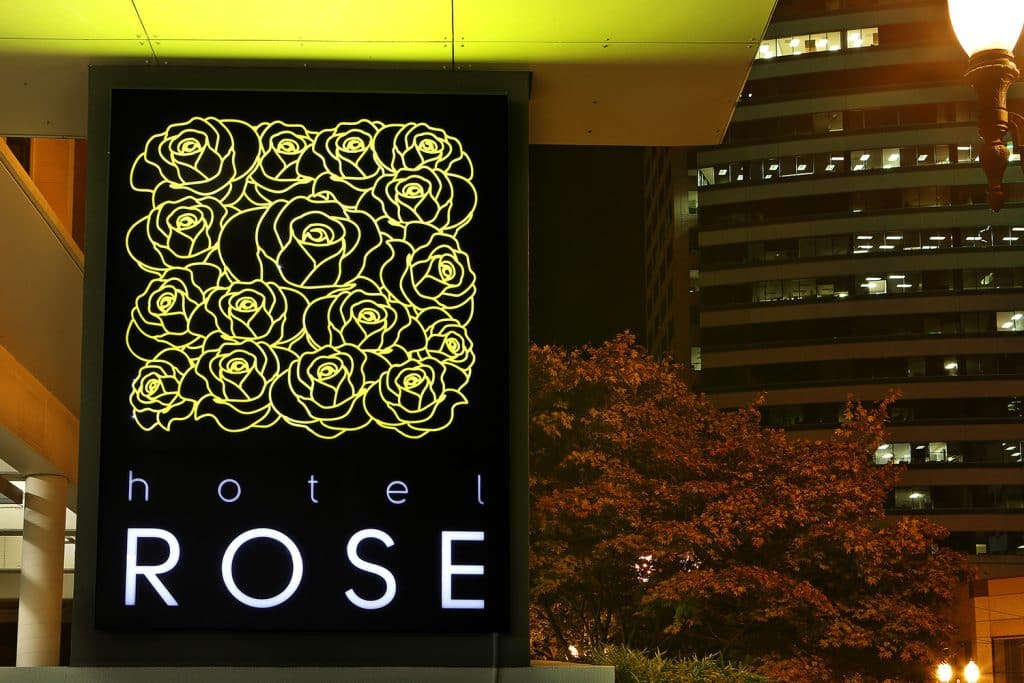
Visibility Isn’t Just About Size, It’s About Contrast
A common mistake small businesses make is assuming bigger = better. In reality, contrast and readability matter more; especially in Seattle.
With overcast skies, tree-lined streets, and visual clutter from neighboring businesses, your sign needs to stand out against its surroundings.
What works locally:
- High-contrast color combinations (not just trendy neutrals)
- Clean, legible fonts (especially from across the street)
- Strategic lighting (halo-lit or neon performs extremely well here)
If your sign blends into the block, it’s effectively invisible.
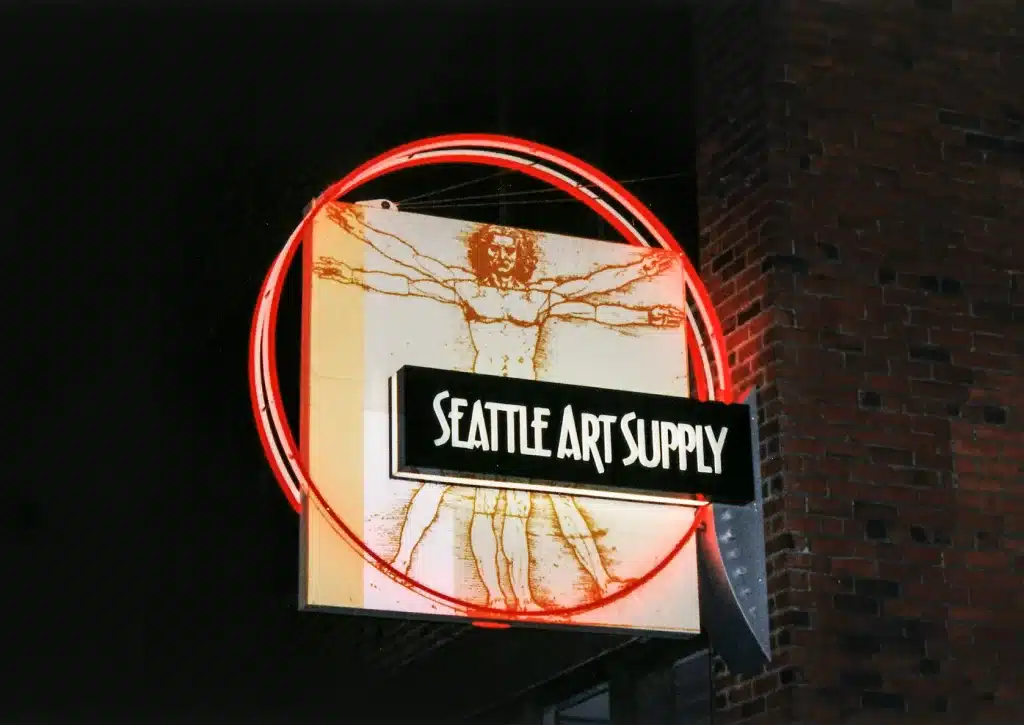
The “Pause Factor”: Why Some Signs Make People Stop
Think about the last time you noticed a storefront unexpectedly. Chances are, it had one of these:
- A bold or unique shape
- Lighting that created warmth or curiosity
- A clever or visually interesting message
- Movement (digital elements, reflections, or even flicker from neon)
This is what we call the pause factor. That split second where someone slows down just enough to consider walking in.
In high-foot-traffic neighborhoods, that pause is everything.
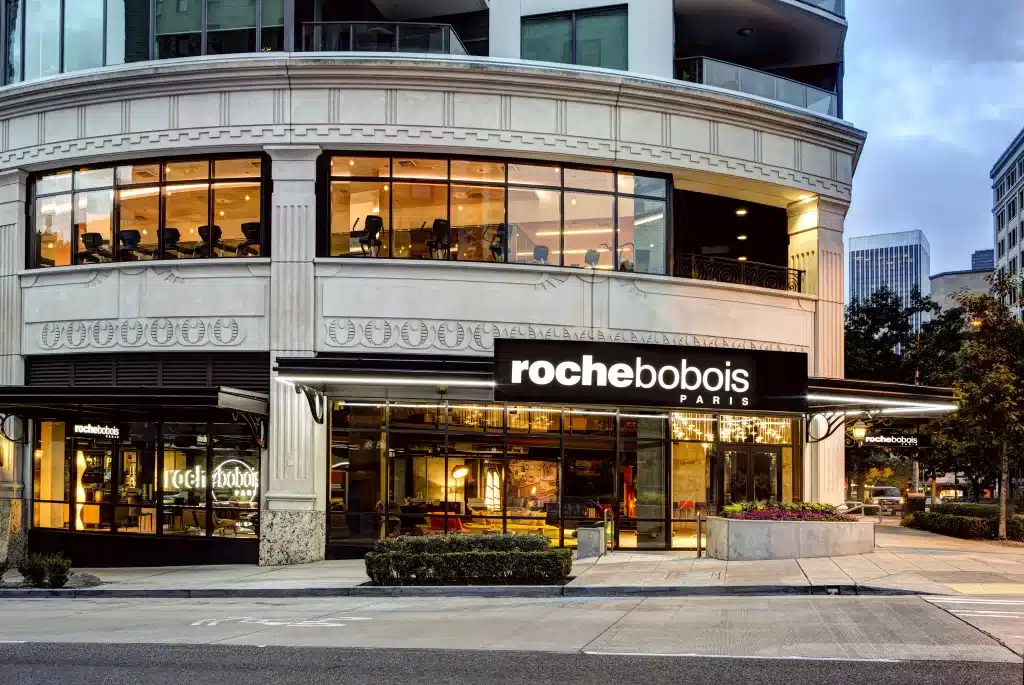
Your Sign Should Match the Experience Inside
One of the biggest conversion killers is a disconnect between your sign and your business.
If your storefront looks:
- Minimal and modern → but your sign is outdated
- Fun and vibrant → but your sign is muted
- Premium → but your sign looks inexpensive
…it creates hesitation.
Customers subconsciously ask: “Is this place what I think it is?”
If the answer isn’t clear, they keep walking.
Your signage should act as a preview of the experience inside, not just a label on the building.
Timing Matters: Seasonal Signage Drives Action
Seattle’s seasons heavily influence behavior, especially in summer when foot traffic spikes.
Smart businesses adjust their signage to match:
- Summer: brighter colors, extended hours, outdoor dining cues
- Events & tourism: limited-time messaging (“Now Open Late,” “Happy Hour Daily”)
- Neighborhood energy shifts: weekend vs weekday traffic patterns
Even small updates, like window vinyls or temporary signage, can signal freshness and relevance. Which draws people in.
The ROI Most Businesses Overlook
Unlike digital ads, your sign works 24/7. It doesn’t require ongoing spend, but it continuously influences new customers.
A well-designed sign can:
- Increase walk-ins without increasing marketing budget
- Improve brand recall in your neighborhood
- Turn first-time visitors into repeat customers (because they remember you)
And in a city where rent and competition are high, converting existing foot traffic is one of the most cost-effective growth strategies you have.
What This Means for Your Business
If you’re in a high-traffic area and not seeing that translate into sales, your signage is worth a closer look.
Ask yourself:
- Can someone understand what we do in 3 seconds?
- Does our sign stand out in Seattle’s environment?
- Does it reflect the quality and vibe of our business?
- Would you walk in based on your storefront alone?
If there’s hesitation in any of those answers, there’s opportunity.
Final Thought
Seattle is full of people looking for their next favorite spot. They’re already walking by, you don’t need more traffic.
You need a reason for them to stop.
And more often than not, that reason starts with your sign.