
When a global event like the FIFA World Cup comes to town, cities experience a sharp increase in foot traffic, tourism, and overall activity. For local businesses, this creates a significant opportunity to attract new customers and increase visibility.
However, during high traffic periods, visibility is not just about being present. It is about being seen, understood, and remembered within seconds.
Well planned and strategically placed signs play a critical role in achieving that.
Why Signs Matter More During High Traffic Events
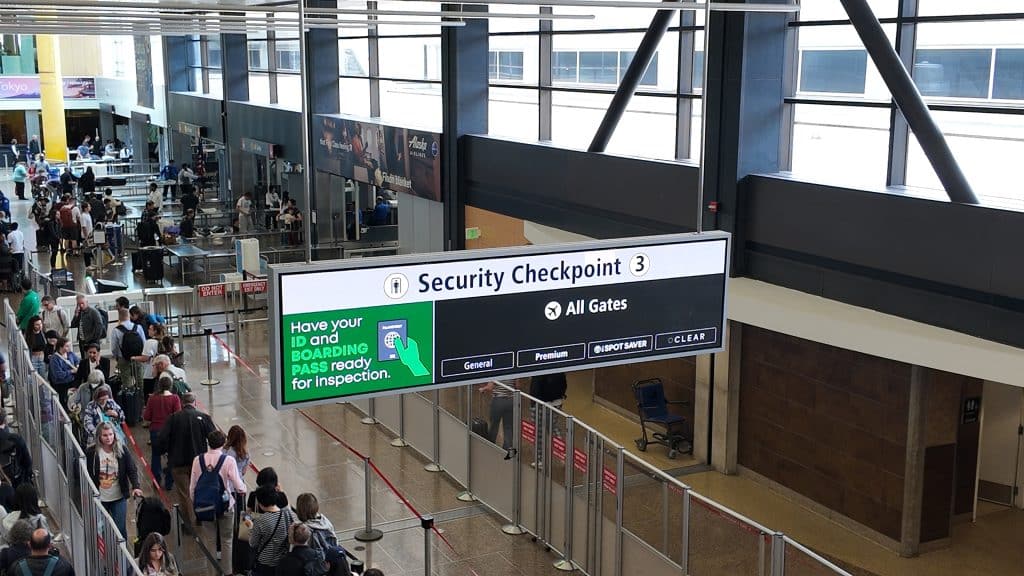
During major events, customer behavior changes. Visitors are often unfamiliar with the area, navigating quickly, and making decisions in real time.
In these conditions, signage must do more than identify a business. It must:
- Capture attention in crowded environments
- Communicate clearly within a few seconds
- Guide movement and reduce confusion
A sign that works well during normal conditions may not perform the same way when foot traffic increases significantly. Competing visual noise, crowds, and time constraints all reduce how long someone will look at your business.
Understanding the Full Timeline for Sign Updates
One of the most common challenges businesses face is underestimating how long signage projects take.
A complete signage project typically includes:
Design and Planning
This stage involves layout, sizing, material selection, and ensuring visibility from key sightlines.
Permitting and Approvals
Local jurisdictions often require approval before fabrication or installation begins.
Fabrication
Production timelines vary depending on materials, complexity, and current demand.
Installation
Scheduling and site conditions can impact how quickly installation can be completed.
For permanent signs, this process can take several weeks to a few months depending on complexity and location. Starting early is essential, especially when demand increases ahead of major events.
Strategic Sign Placement for Maximum Visibility
Placement is one of the most important and often overlooked aspects of effective signage.
Street Facing Visibility
Primary signs should be positioned to be visible from the direction of the highest traffic flow. This may differ depending on whether your audience is primarily:
- Pedestrian traffic
- Vehicle traffic
- Both
For vehicle traffic, signs need to be readable at higher speeds and from greater distances. This often requires larger lettering and simplified messaging.
For pedestrian traffic, placement at eye level and near entry points becomes more important.
Decision Points and Entry Zones
The most valuable placement areas are where people are making decisions.
These include:
- Intersections
- Parking lot entrances
- Building entryways
- Corners with high foot traffic
Placing signs at these decision points increases the likelihood that a passerby will notice your business at the exact moment they are choosing where to go.
Line of Sight and Obstruction
Signs should be evaluated based on real world visibility, not just placement on a building.
Common visibility issues include:
- Trees or landscaping blocking views
- Nearby buildings or structures
- Utility poles or street signs
- Crowds during peak hours
A sign that is partially obstructed during normal conditions may become completely hidden during a major event.
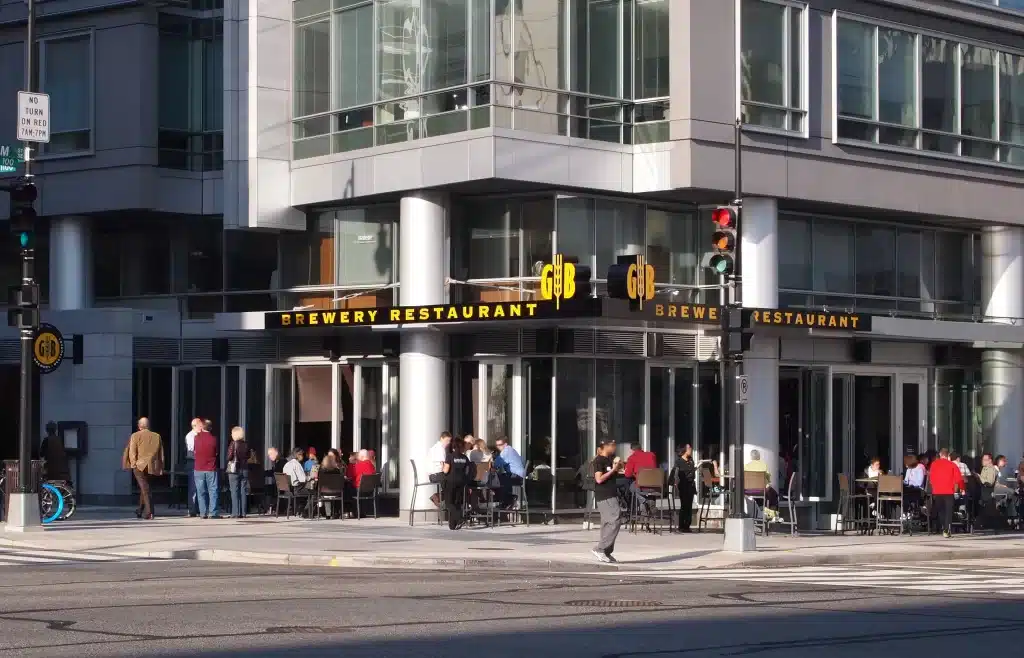
Layered Signage Approach
High performing locations often use multiple signs working together rather than relying on a single sign.
A layered approach may include:
- A primary building sign for identification
- Window graphics to reinforce messaging
- Directional signs to guide entry
- Temporary signage to highlight promotions
This creates multiple opportunities to capture attention from different angles and distances.
Visibility and Readability Best Practices
Even with strong placement, signs must be designed for quick comprehension.
Key factors include:
Contrast
High contrast between text and background improves readability at a distance.
Letter Size
Larger lettering is required for visibility from farther away. A general rule is that letters should increase in size based on viewing distance.
Font Simplicity
Clean, simple fonts are easier to read quickly, especially in busy environments.
Message Clarity
Limit the amount of information. A sign should communicate its main message within a few seconds.
Lighting and Night Visibility
Major events often extend into evening hours, making lighting essential.
Illuminated signs can significantly improve visibility and include options such as:
- Internally illuminated channel letters
- Backlit signs
- External lighting directed at the sign
Lighting should be consistent and evenly distributed to avoid shadows or uneven visibility
Permits and Local Requirements: What Can Impact Your Project
Signage regulations vary widely depending on location, and several factors can influence what is allowed.
Zoning Regulations
Local zoning codes often dictate:
- Maximum sign size
- Height and placement
- Type of illumination
- Number of signs allowed per property
Historic Districts
If a business is located in a designated historic area, additional restrictions may apply.
These can include:
- Limitations on materials and colors
- Restrictions on illuminated signage
- Requirements to match the architectural style of the building
Approval in these areas may involve review boards, which can extend timelines.
Building Type and Land Use
Requirements may differ based on whether a property is:
- Retail
- Industrial
- Office
- Mixed use
Multi tenant buildings may also have their own signage guidelines that must be followed in addition to city regulations.
Temporary vs Permanent Signage
Temporary signs such as banners or event promotions may have separate rules, including:
- Duration limits
- Size restrictions
- Placement requirements
These are often useful during major events but still require compliance.
Permitting Timeline
Approval timelines can vary depending on the city and complexity of the project. Some permits may be approved quickly, while others require multiple reviews.
Starting early allows time to address revisions or additional requirements without delaying installation.

Planning Ahead for Increased Demand
As large events approach, demand for signage services increases across design, production, and installation.
This can impact:
- Production timelines
- Material availability
- Installation scheduling
Planning ahead helps ensure that projects are completed before peak activity begins.
Making the Most of Increased Visibility
Large scale events provide a unique opportunity to connect with new audiences. Businesses that prepare their signage in advance are better positioned to stand out, guide customers effectively, and create a strong first impression.
Strategic placement, clear design, proper lighting, and regulatory compliance all contribute to signage that performs well under increased demand.
Get Your Business Ready
National Sign Corporation works with businesses to design, produce, and install custom signs that support visibility and long term brand consistency.
If you are considering updates ahead of the World Cup, planning early can help ensure your signs are ready when demand increases.